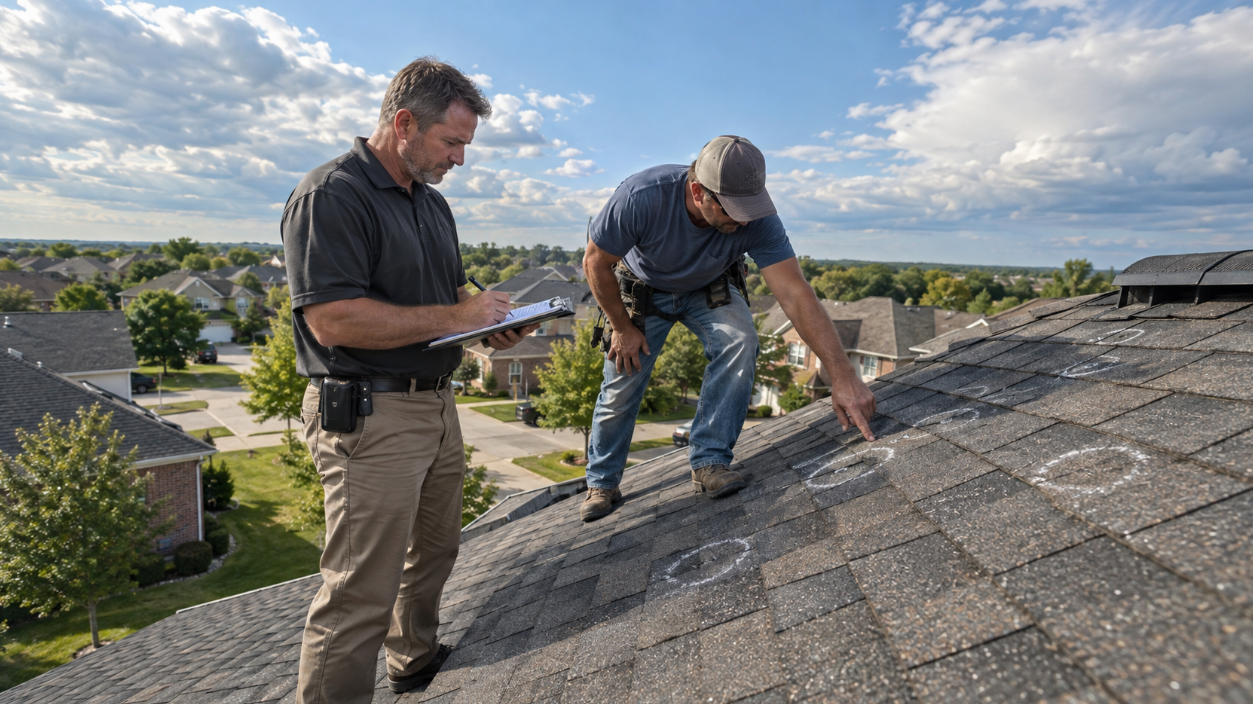
Homeowners insurance pays for a roof replacement when a covered event damages the roof so badly that repairs cannot restore it. Typical covered events are wind, hail, a falling tree, and fire. To get the claim approved, document the damage, read your policy, get an independent inspection, file on time, and be present when the adjuster inspects the roof. How much you receive depends on your coverage type, the age of the roof, and your deductible.
Does Homeowners Insurance Cover Roof Replacement?
Insurance covers sudden and accidental damage from a peril listed in your policy. For roofs, the most common covered causes are hail, high wind, falling trees and limbs, fire and lightning, and in many policies the weight of snow and ice. An insurance roof replacement is approved only when the damage traces back to one of these events.
Gradual problems fall outside that coverage. Shingles that curl and lose granules with age, leaks from worn flashing, and damage from poor installation are treated as upkeep. The same applies to moss or rot caused by missing maintenance, and the insurer will deny these claims. When an adjuster finds both storm damage and heavy wear, the claim often turns on which one caused the leak.
Roof age changes the picture before any storm arrives. Many insurers now pay only depreciated value on roofs older than 10 to 15 years, and some refuse to renew policies on roofs past a certain age. Checking this line in your policy tells you what a claim could realistically bring.
Repair or Full Replacement – How the Insurer Decides
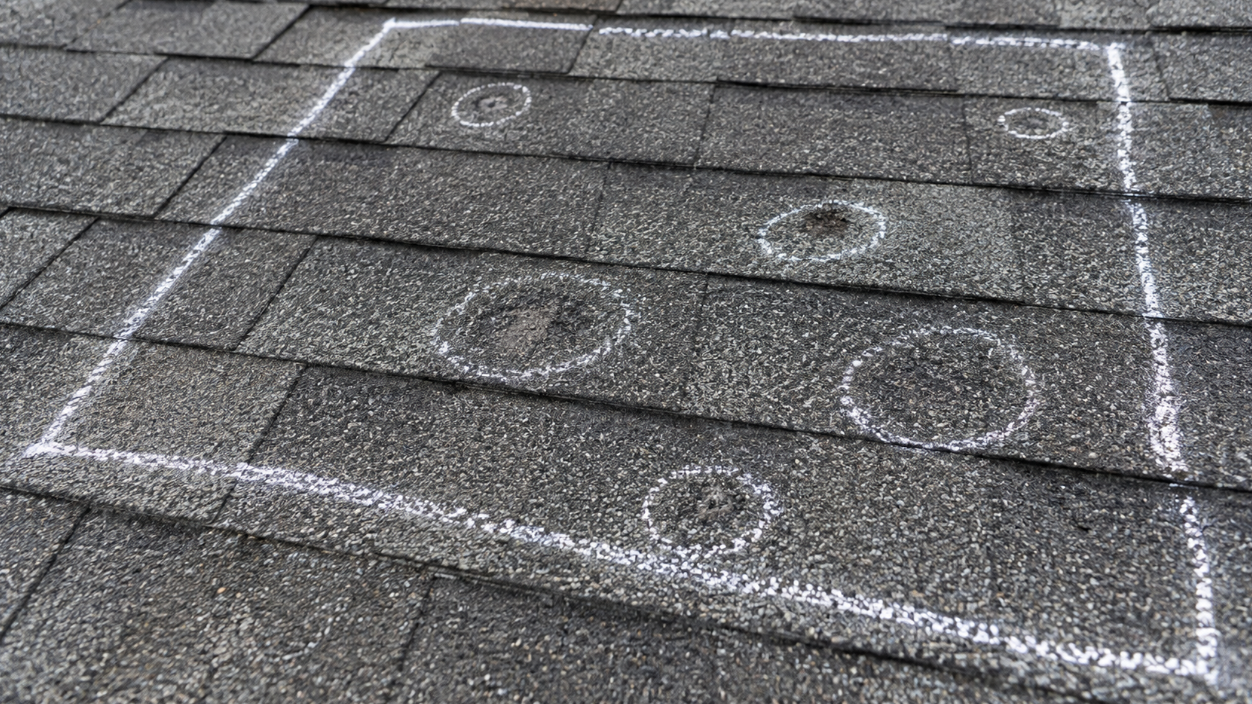
An approved claim does not automatically mean a new roof. The insurer pays to restore the roof to its condition before the loss, and it chooses repair whenever repair can do that. Three factors push the decision toward full roof replacement.
Extent of the Damage
In a hail damage roof insurance claim, adjusters count damaged shingles in test squares, usually 10 by 10 feet, on each slope. When hail bruises or wind lifts shingles across most slopes, patching individual spots costs more and leaves a weaker roof than replacing it. Damage on one or two slopes often leads to a partial replacement of those slopes only.
Matching Shingles
A repair has to blend with the rest of the roof. If the original shingle line has been discontinued, or new shingles differ visibly in color after years of weathering, a patched roof will look mismatched. Some states require insurers to pay for a uniform appearance, and many adjusters approve a full replacement when no reasonable match exists.
Building Code Requirements
Local codes can require work that goes beyond the damaged area. Common examples are new underlayment, ice and water shield at the eaves and removal of old layers before new shingles go on. Ordinance or law coverage pays for these upgrades, usually up to a set percentage of your dwelling coverage. Without it, code-related costs come out of your pocket.
How to Get Insurance to Pay for Roof Replacement – Step by Step
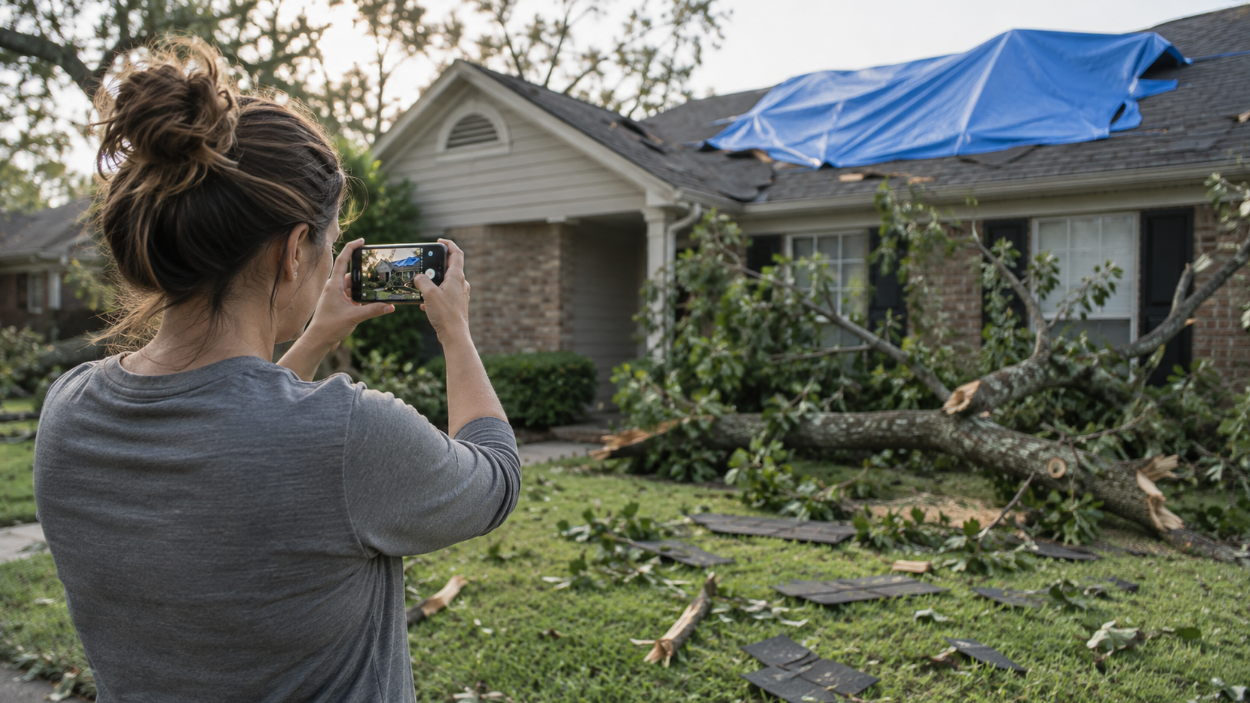
The claim process moves in a fixed order, and skipping a step is the most common reason homeowners receive less than the roof is worth.
Step 1: Read Your Policy
Find your coverage type, actual cash value or replacement cost, and your deductible. Check for a separate wind and hail deductible, any roof age limits and the deadline for reporting damage.
Step 2: Document the Damage
Photograph the roof from the ground, damaged gutters and siding, dented vents and any interior stains, with the date visible. Save weather reports or local news showing the storm date, since the insurer will want to link the damage to a specific event.
Step 3: Prevent Further Damage
Cover open areas with a tarp and place buckets under leaks. Keep every receipt, because reasonable temporary repairs are usually reimbursed.
Step 4: Get an Independent Inspection
A licensed roofer can find damage you cannot see from the ground and give you a written report with photos. A free roof inspection before you file also shows whether the damage is large enough to exceed your deductible, which helps you decide whether a claim is worth filing at all.
Step 5: File the Roof Damage Insurance Claim on Time
Call your insurer or file online, describe the date and cause of the damage, and send your photos. Write down your claim number and the name of every person you speak with.
Step 6: Be There for the Adjuster
Walk the property with the adjuster, point out every area in your photos and ask your roofer to attend. Adjusters working a busy storm season can miss damage on steep or back slopes, and a second set of eyes on the roof reduces that risk.
Step 7: Compare the Estimate Line by Line
Check that the estimate includes tear-off, underlayment, drip edge, flashing, vents, ridge caps and disposal. If items are missing, your contractor can submit a supplement with measurements and photos.
Step 8: Collect the Payment and Finish the Work
Follow your insurer’s steps for releasing funds. This often means sending the final invoice before the last check arrives.
How Much Insurance Will Pay – ACV vs. RCV
Your payout depends mostly on whether your policy pays actual cash value or replacement cost value. The same roof and the same storm can produce payouts thousands of dollars apart, so this is the first number to confirm.
Actual Cash Value Policies
An actual cash value (ACV) policy pays the cost of a new roof minus depreciation for age and wear, then subtracts your deductible. The older the roof, the smaller the check, and you pay the difference to complete the replacement.
Replacement Cost Value and the Two-Check Payout
A replacement cost value (RCV) policy pays the full cost of a comparable new roof minus your deductible, but usually in two payments. The first check covers the depreciated value. The second check releases the withheld amount, called recoverable depreciation, after you finish the work and send proof. Most policies set a deadline for completing the replacement, often six months to a year.
Wind and Hail Deductibles
Many policies carry a separate deductible for wind and hail, set as a percentage of your dwelling coverage instead of a flat amount. A 2% deductible on a home insured for $300,000 means the first $6,000 of a storm claim is yours. Knowing this figure before you file helps you decide whether a claim makes financial sense.
The example below shows how both policy types handle the same claim. It uses a 15-year-old asphalt roof with an expected life of 25 years, a $15,000 replacement estimate, and a $1,000 deductible.
ACV policy | RCV policy | |
Replacement estimate | $15,000 | $15,000 |
Depreciation (15 of 25 years, 60%) | $9,000 | $9,000 withheld, then released |
First payment after deductible | $5,000 | $5,000 |
Second payment after work is done | None | $9,000 |
Total insurance payment | $5,000 | $14,000 |
Your out-of-pocket cost | $10,000 | $1,000 |
What to Do if Your Roof Claim Is Denied
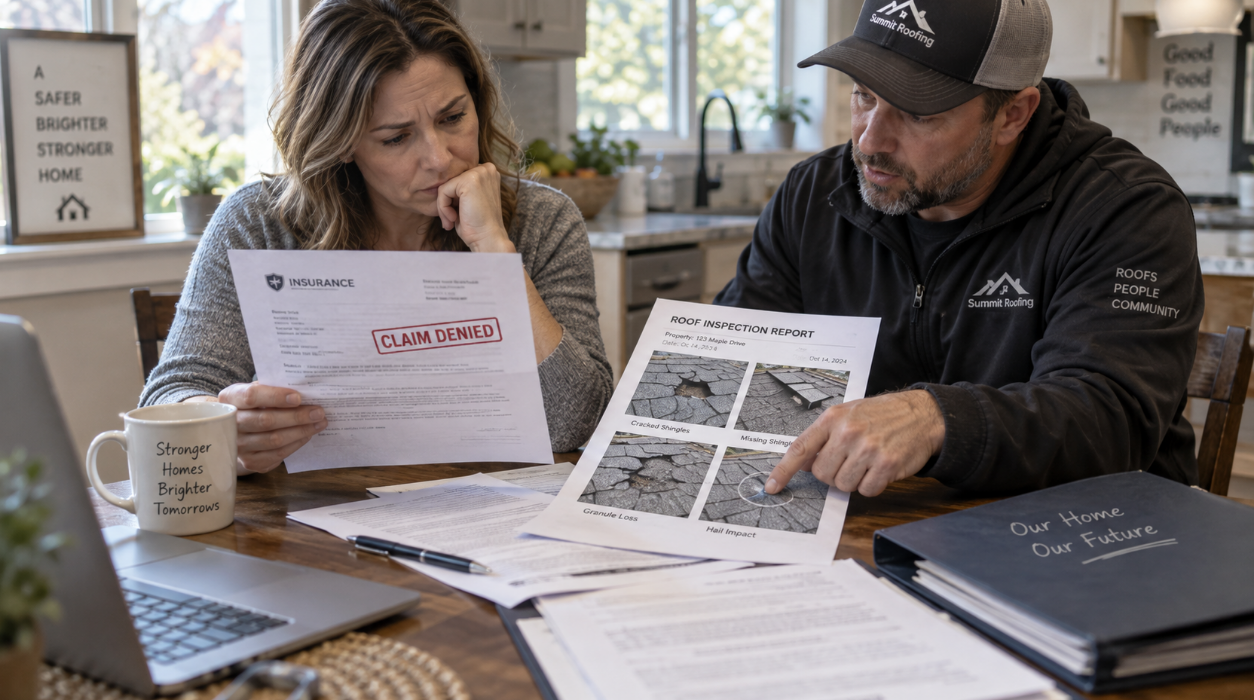
A denial or a low offer can be challenged. Start by asking the insurer for the reason in writing, with the policy language it relied on.
If the adjuster missed damage, request a second inspection and ask your roofer to attend with photos and measurements. A different adjuster often reaches a different count on the test squares.
When you and the insurer agree the damage is covered but disagree on the amount, most policies include an appraisal clause. Each side hires an independent appraiser, and an umpire settles any remaining difference.
A licensed public adjuster works for you instead of the insurer and usually charges a percentage of the settlement. For larger disputes, you can file a complaint with your state insurance regulator, such as the Pennsylvania Insurance Department or the New Jersey Department of Banking and Insurance. An attorney who handles property claims is the last option. For roof insurance claim help after a storm, see the roof insurance claims page.
Frequently Asked Questions
Short answers to the questions homeowners ask most often before filing a roof claim.
Does insurance cover roof replacement on an old roof?
Insurance can pay to replace an old roof if a covered storm damaged it, but the payment is often reduced. Many policies pay only actual cash value on roofs older than 10 to 15 years, so depreciation takes a large share of the check. Damage caused by age alone is not covered.
How long do I have to file a roof insurance claim?
Most policies require prompt notice after you discover damage, and some set a specific window, often up to one year from the storm date. Filing within days gives you the strongest claim. Check the “duties after loss” section of your policy for your exact deadline.
Will filing a roof claim raise my insurance premium?
A claim can raise your premium at renewal, especially if you have filed other claims in recent years. Weather claims affecting many homes in an area tend to have less impact than individual claims. If the repair cost is close to your deductible, paying yourself may make more sense.
Can a roofer pay my insurance deductible?
No reputable roofer should offer to pay or waive your deductible. Many states prohibit it, and hiding the arrangement from your insurer can be treated as fraud. The deductible is your share of the claim and is paid directly to the contractor.
Does insurance cover cosmetic hail damage?
Some policies exclude cosmetic damage, such as dents on metal roofing that do not affect how the roof sheds water. On asphalt shingles, hail that cracks the mat or knocks off granules usually counts as functional damage and is covered. Read your policy for a cosmetic damage exclusion before filing.
Will insurance replace the whole roof or only the damaged part?
The insurer pays for the damaged slopes unless matching, code rules or the spread of the damage make a partial repair unworkable. Damage on most slopes usually leads to a full replacement. A written report from your roofer helps show why a partial repair would not restore the roof.
Key Takeaways
Insurance pays for a new roof only when a covered event causes the damage and repair cannot restore the roof. Your payout depends on ACV or RCV coverage, the age of the roof, and your deductible, so confirm those three items before filing. Dated photos, an independent inspection, a timely claim, and your presence at the adjuster visit give you the best chance of full payment. A denial can still be challenged through reinspection, appraisal, or your state insurance regulator.

Comments