After a hailstorm passes, most homeowners walk outside, look up, and see a roof that appears fine. That is the problem with hail. The damage that ends a shingle’s service life is usually invisible from the ground, and it does not announce itself until water shows up on a ceiling a season or two later. Paramount Home Solutions inspects hail damaged roofs across Montgomery, Bucks, Chester and Philadelphia counties, documents what we find with photographs, and handles the repair or replacement from the first inspection through the final walkthrough. The inspection costs nothing whether or not you file a claim.
What Hail Damage Looks Like on a Roof
Hail does two kinds of damage. One is obvious and one is not, and the second kind is what costs people money when it goes unreported.
On Shingles, Gutters and Vents
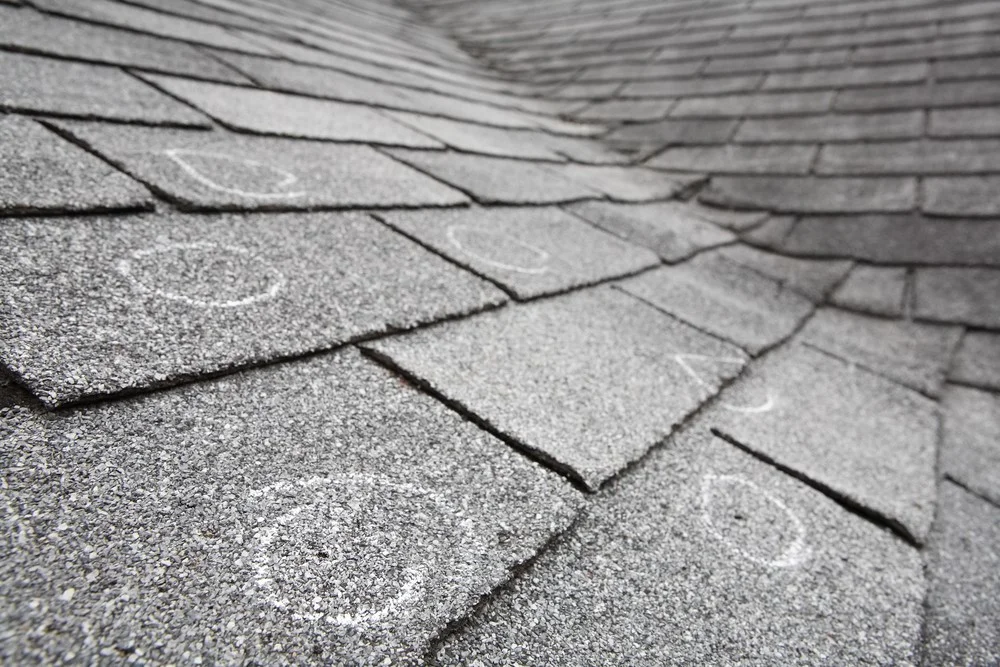
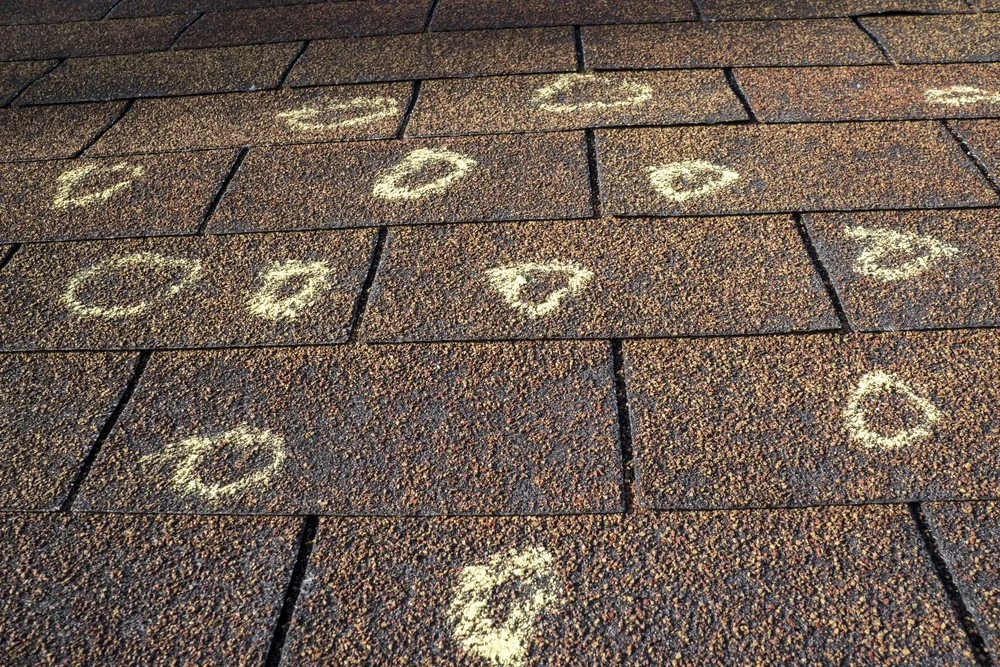
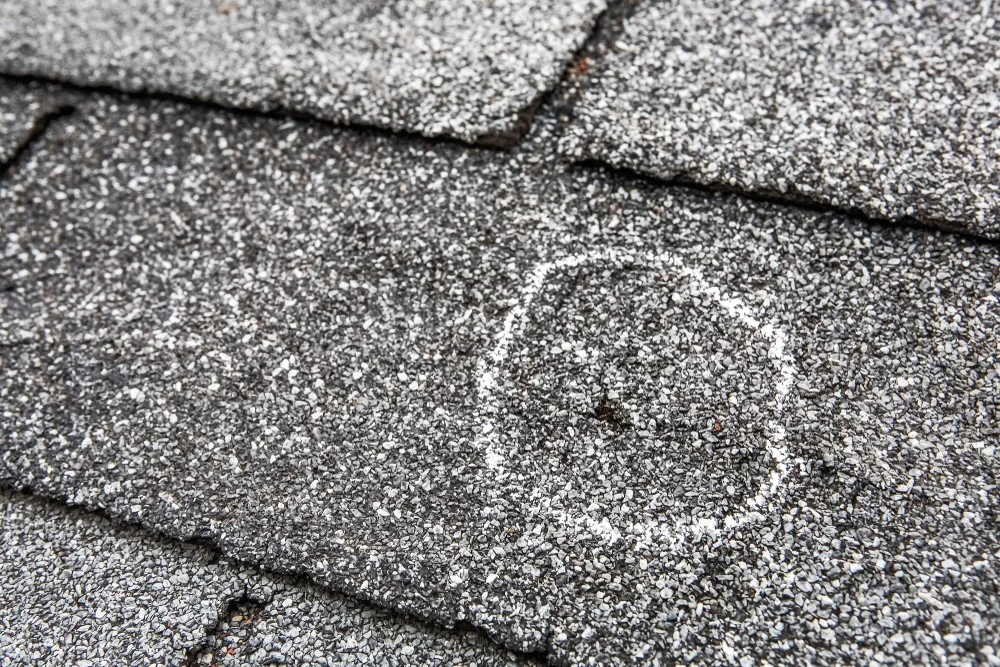
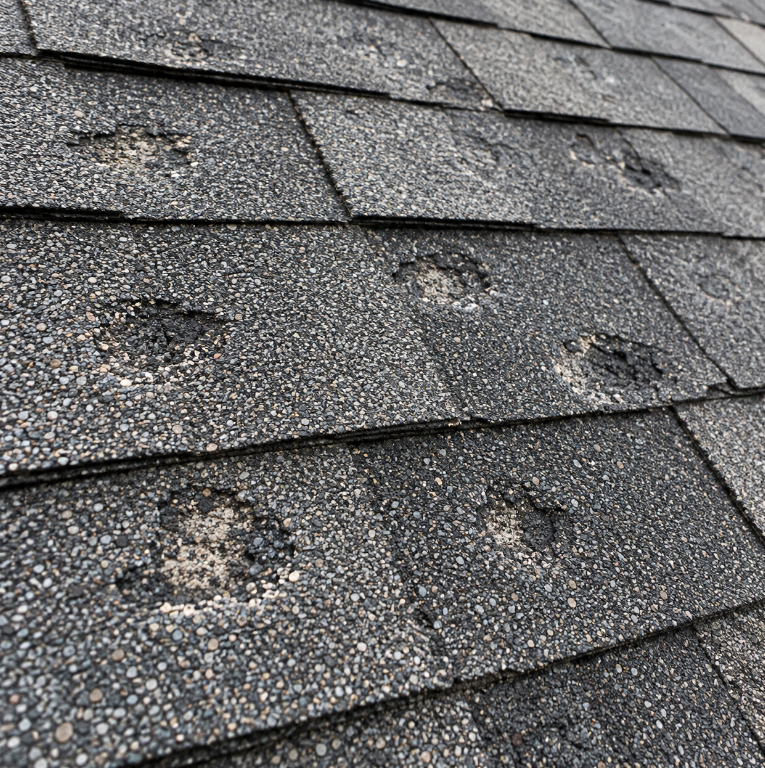
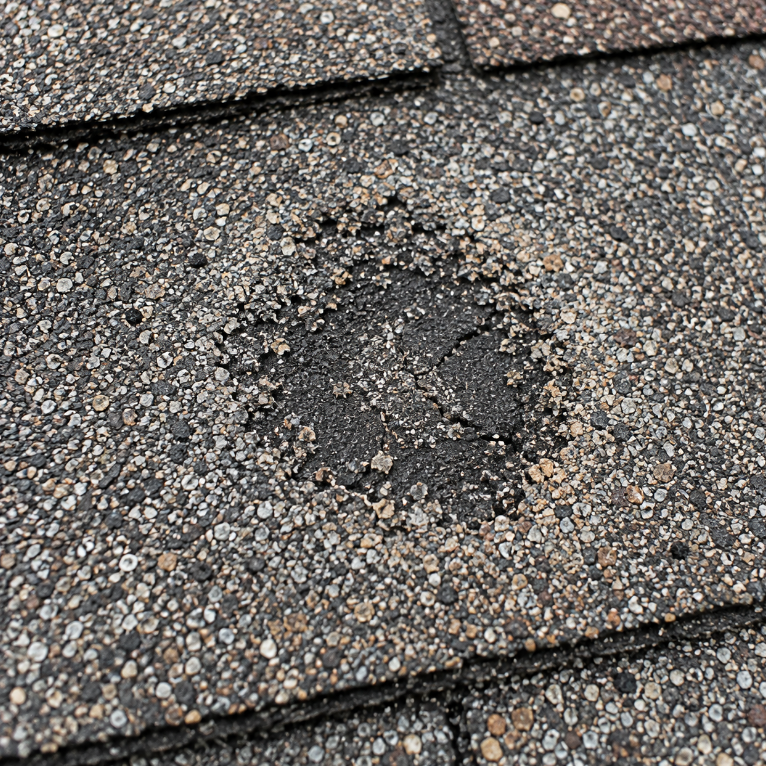
Hail damage on shingles shows up as round bruises with soft, indistinct edges, roughly the size of a coin. The granules are knocked away and the black asphalt underneath shows through. Press one and it feels soft, like a bruise on fruit. Aluminum gutters, downspouts, roof vents and air conditioner fins dent before shingles do, so dents on soft metal are the fastest way to confirm that the hail was large enough to matter.
Damage You Cannot See From the Ground
The damage that matters most is a fracture in the shingle mat beneath the granule layer. From the driveway the roof looks untouched. What has actually happened is that the shingle’s waterproofing layer is cracked, granules will continue shedding into the gutters with every rain, and the underlayment beneath it is now exposed to weather it was never meant to see on its own. Insurers cover this. They do not cover the ceiling repair two years later when the claim window has closed.
What to Do After a Hailstorm
The first week matters more than most homeowners realize, because insurance policies limit how long you have to report a loss after it happens.
- Walk the perimeter from the ground.
Check gutters, downspouts, window screens, the air conditioner condenser and any painted metal trim. Dents on these surfaces tell you the hail was large enough to have reached the roof.
- Check the attic.
Look for damp insulation, water staining on the decking, or daylight visible through the roof deck.
- Photograph everything.
Include the date, and if hailstones are still on the ground, photograph one beside a ruler or a coin.
- Get a professional roof inspection.
A hail damage roof inspection from us is free, takes under an hour and produces photographs of every slope whether or not you end up filing anything.
- Notify your insurer.
Do this without waiting for a leak to appear. Policies limit the time you have to report a hail loss, and a roof that still looks fine is not evidence that nothing happened.
Our Hail Damage Roof Repair and Replacement
What happens to your roof after a hailstorm depends on how much of it was hit and how your carrier values the damage. Those are two different questions, and a contractor who only answers the second one is selling you a roof rather than assessing one. Here is how the work actually goes.
How the Damage Gets Measured
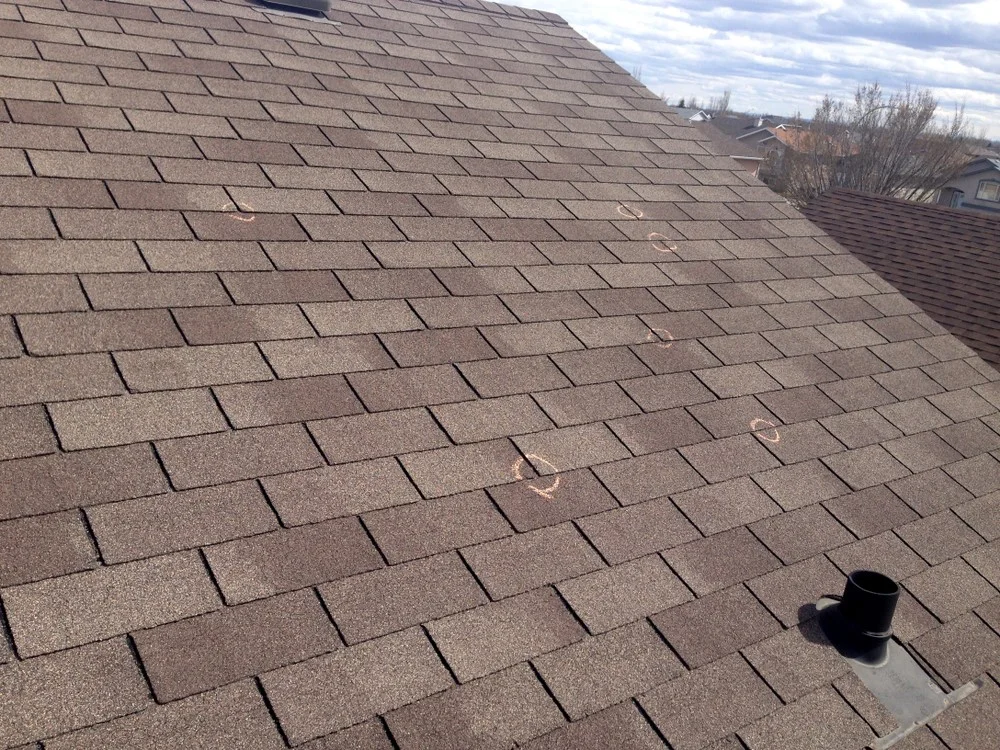
Adjusters do not judge a slope by walking it and forming an impression. They mark out a test square, usually ten feet by ten feet, on each slope and count the hits inside it. A slope with scattered hits below the carrier’s threshold gets repaired. A slope above it is treated as totaled and replaced. This is why one elevation of a house can be approved for full replacement while the elevation behind it is denied, and why a homeowner who was told the whole roof is fine should have the north and west slopes checked again. We mark and photograph the same squares during our inspection, so you know before the adjuster arrives what the count is on each slope.
Repair When the Damage Is Isolated
Isolated hail damage is repairable. We lift and replace the bruised shingles, reseal the courses above them, and replace any flashing or boots that took a hit. The limiting factor is almost never the labor, it is the shingle. Manufacturers discontinue colors and lines, and a repair that leaves a visibly different patch on a front elevation is not a repair anyone is happy with. Most policies have a provision covering what happens when matching material is unavailable, and we check what your shingle line is still in production before recommending a patch.
Full Replacement When It Is Not
A hail replacement is not simply a new layer of shingles. We tear off to the decking and inspect the sheathing for fractures the hail drove through in older or thinner roofs. Ice and water shield goes down along the eaves and in the valleys, synthetic underlayment over the field, and every piece of flashing, drip edge and pipe boot is replaced rather than reused. Where only part of the roof was approved, many Pennsylvania municipalities require the whole roof to be brought to current code once a threshold of it is replaced, and that requirement is often covered by the policy rather than by you.
The Parts of a Claim That Get Left Out
Hail lands on more than the field of the roof. Ridge cap, roof vents, pipe boots, drip edge and the metal wrap on chimneys and skylights all take hits, and all of them are routinely missed on a first estimate because they are small line items. So are the gutters and downspouts, where dents are the clearest proof the hail was large enough to count. We itemize every one of these in the scope we hand your adjuster, because a settlement that covers the shingles and nothing else leaves you paying for the rest.
If the same storm damaged your siding or gutters, our own crews handle those too, on the same claim and the same schedule.
Everything we install carries a workmanship warranty, and as a GAF Master Elite contractor we can register enhanced manufacturer coverage on a replacement. If the roof is being replaced under a claim anyway, ask about upgrading to impact-resistant shingles while the crew is there. Many insurers discount the premium on a Class 4 rated roof, and we can price the difference during the estimate. Our GAF roofing page covers the systems we install.
Hail Damage Insurance Claims
We photograph every slope, write a scope in the format your adjuster works from, and attend the adjuster inspection so nothing on the roof gets missed in the settlement. The claim stays yours throughout. We do not file it for you, and we do not ask you to sign anything that assigns your benefits to us.
As a GAF Master Elite contractor and a 2026 3-Star President’s Club Award winner, we register enhanced manufacturer warranties on the roofs we replace, which matters once the claim is settled and the work begins.
How Roof Insurance Claims WorkHail Damage Roof FAQs
Round bruises with soft edges where granules have been knocked off, exposing black asphalt underneath. The spot feels soft to the touch. Dents on gutters, vents and air conditioner fins are the easiest confirmation that hail was large enough to damage shingles.
Yes, and this is the most common outcome. Hail fractures the mat beneath the granule surface without breaking through. The roof sheds water normally for another season or two, then fails. The damage is covered the week it happens, not the week it leaks.
Most policies cover hail as a named peril, subject to your deductible and to how the policy values the roof. Coverage varies between replacement cost and actual cash value, which changes what you receive substantially. We can read the relevant section with you during the inspection.
Policies limit how long you have to report a loss after the event, and the window is shorter than most homeowners expect. Check your policy or call your agent. The practical answer is to report it within days rather than months.
It depends on how much of the roof is affected. Isolated damage on a few slopes can be repaired. Widespread bruising across multiple slopes usually means replacement, and many municipal codes require the full roof to be brought to current standard once a threshold of it is replaced.
Yes, with no obligation. You receive photographs of every slope, notes on what we found, and a straight answer on whether the damage is worth filing a claim over. If the roof is fine, we tell you that.