
How long a roof lasts depends first on the material. Asphalt shingles last about 20 to 30 years and metal 40 to 80 years. Slate lasts 60 to 150 years and clay or concrete tile 100 years or more, according to the life expectancy chart of the International Association of Certified Home Inspectors. Climate moves those numbers: intense sun, hurricanes, and hard freeze-thaw winters wear a roof out faster than a mild climate. In Pennsylvania and New Jersey, where most homes have asphalt shingles, plan on roughly 20 to 25 years for a typical shingle roof.
Roof Lifespan by Material
Every roofing material has its own expected range, and the weakest part of the system often decides when the roof ends. The table uses the inspectors’ association figures for normal wear.
Material | Typical lifespan | What usually ends its life |
3-tab asphalt shingles | About 20 years | Granule loss, cracking, wind blow-off |
Architectural asphalt shingles | About 30 years | Granule loss, curling, worn flashing |
Metal | 40 to 80 years | Rusted fasteners, failed sealant, worn coating |
Copper | 70 years or more | Seams and flashing |
Slate | 60 to 150 years | Nails and underlayment under the slate |
Clay or concrete tile | 100 years or more | Underlayment, broken tiles |
Wood shingles and shakes | About 25 years | Rot, moss, splitting |
EPDM rubber (flat roofs) | 15 to 25 years | Seam failure, shrinkage |
TPO (flat roofs) | 7 to 20 years | Seam failure, membrane cracking |
The ranges are wide because product grade and installation vary. A detailed comparison of these materials, with their pros and cons, is in our guide to roof types.
How Long Does a Shingle Roof Last?
A shingle roof lasts about 20 years with 3-tab shingles and about 30 years with architectural shingles. The difference comes from thickness: architectural shingles laminate two layers of mat and asphalt, so they hold granules longer and resist wind better. Since most new roofs use architectural shingles, the asphalt shingle roof lifespan for a roof installed today usually lands between 25 and 30 years in a moderate climate.
The warranty is a separate number. A “30-year” or “lifetime” shingle warranty covers manufacturing defects in the material, and coverage often drops after the first years. It does not promise that the roof will stay sound for that long. Installation errors, poor ventilation, and storm damage fall outside the material warranty, which is why manufacturers such as GAF offer extended system warranties only through certified contractors.
How Long Does a Metal Roof Last?
A metal roof typically lasts 40 to 80 years. Standing seam panels, which hide their fasteners inside raised seams, reach the upper end of that range. Exposed-fastener panels depend on the screws and their rubber washers. Metal building supplier MBCI warns that fasteners rated for a shorter life than the panel can cut a roof’s service life by 40 years or more. Loose or rusted screws need checking and replacing over the years.
How Long Do Slate, Tile and Cedar Roofs Last?
Slate and tile often outlive the parts that hold them in place. InterNACHI notes that a roof with 200-year slate can fail at 50 years if its nails or underlayment give out. Quality varies too: some Pennsylvania soft-vein slate lasts under 60 years, while Peach Bottom slate from the same state can pass 200. Cedar shingles and shakes last around 25 years and need regular cleaning to keep moss and rot from shortening that.
How Climate Changes Roof Lifespan
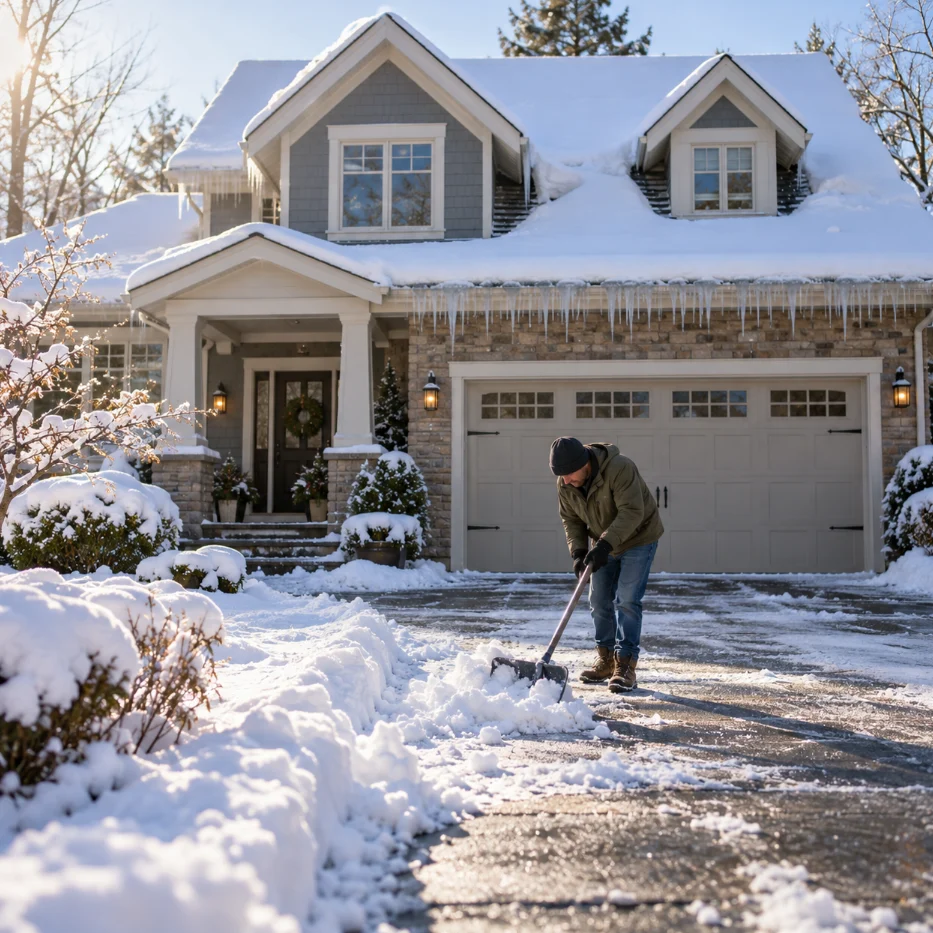
Climate decides where a roof falls inside its range. The same shingle lasts noticeably longer in a mild region than in a harsh one. Sun, heat, wind, hail, and freeze-thaw cycles each wear a roof in a different way.
Hot, Sunny Climates: Arizona and Texas
Ultraviolet light and heat dry out the asphalt in shingles, so they turn brittle, crack, and shed granules early. InterNACHI states that hot climates drastically reduce asphalt shingle life, and large daily temperature swings add expansion and contraction stress. In the desert Southwest, shingle roofs often fall toward the bottom of their range, while tile and light-colored metal hold up much better.
Hurricane and Humid Climates: Florida and the Gulf Coast
In Florida, wind is the main threat. Hurricane gusts lift and tear off shingles, and salt air corrodes metal fasteners and flashing near the coast. Constant humidity feeds algae and moss on shaded slopes. The Florida Building Code sets stricter wind ratings and fastening rules in high-velocity hurricane zones. Gulf Coast roofs get replaced often: a Nearmap analysis of 2.8 million roof images found Louisiana has the youngest median roof age in the country, at 8.9 years.
Cold, Snowy Climates: Michigan and the Northeast
Cold regions wear roofs through water and ice. Meltwater seeps into small cracks, freezes, expands and widens them a little every cycle. Ice dams push water under shingles at the eaves, and heavy snow loads stress older decking. Ice and water shield at the eaves and good [ice dam prevention](URL статьи про наледь) protect a roof through these winters.
The Mid-Atlantic: Pennsylvania and New Jersey
The Mid-Atlantic gets both stresses: hot, humid summers and winters that cross the freezing point dozens of times. Freezing temperatures make shingles stiff and prone to cracking, while summer sun bakes them. South-facing slopes age fastest because they take the most sun and thermal cycling, and north-facing slopes collect moss and algae. For a well-installed architectural roof, the shingle roof lifespan here is generally 20 to 25 years.
What Else Shortens or Extends a Roof’s Life
Material and climate set the range, and the details of the house decide the rest. Four factors matter most.
Attic Ventilation and Insulation
A hot, poorly vented attic bakes shingles from below and speeds the loss of the oils that keep asphalt flexible. Most shingle manufacturers require proper attic ventilation for full warranty coverage, and inadequate ventilation can void or shorten it. Balanced soffit and ridge vents keep the roof deck close to outdoor temperature in summer and winter.
Installation Quality
Shingles nailed too high, too few nails per shingle, missing starter strips, and skipped underlayment all shorten a roof’s life. These errors rarely show on day one. They surface years later as blow-offs and leaks, which is why the contractor matters as much as the product.
Roofing Over an Old Layer
Laying new shingles over old ones traps heat and hides damaged decking. The International Residential Code does not allow a new layer over a roof that already has two layers, or over a water-soaked or deteriorated roof. A full tear-off costs more upfront, and the new roof lasts longer for it.
Color and Maintenance
Dark roofs absorb more heat, which ages asphalt shingles faster than light colors in the same climate. Regular care adds years: clean gutters, trim branches over the roof, remove moss and have the roof checked once a year and after major storms.
How Long Does a Roof Last on a House You Own?
To estimate the remaining life, start with the roof’s age. The installation year appears in the building permit records at your town or township office, in the home inspection report from your purchase, or on the contractor’s invoice. Subtract that age from the typical range for your material, then adjust for climate and the condition you can see from the ground.
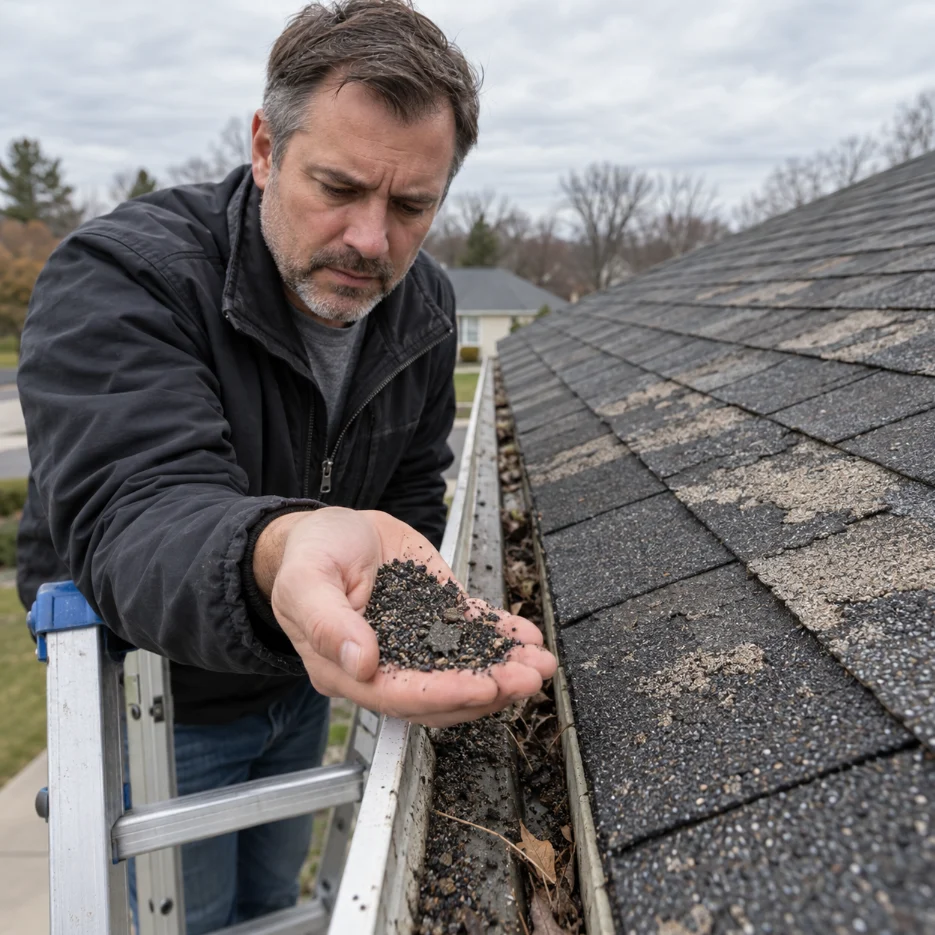
How long should a roof last before you worry? For a shingle roof in this region, start planning at 15 to 20 years, even if nothing leaks yet. Watch for these signs of wear:
- Granules collecting in gutters
- Curled or cupped shingle edges
- Cracked or missing shingles
- Sagging along the ridge or between rafters
- Daylight visible through the attic boards
- Water stains on ceilings
Our guide on when to replace a shingle roof explains what each sign means. A professional roof inspection gives an exact read on how many years the roof has left.
FAQ
How often should a roof be replaced?
Replace an asphalt shingle roof every 20 to 30 years and a metal roof every 40 to 80 years. Slate and tile need replacing only when fasteners and underlayment fail, often after 60 years or more. Harsh climates and poor ventilation shorten every one of these intervals.
How long does a new roof last?
A new architectural shingle roof, installed with proper ventilation and a full tear-off, should last 25 to 30 years in a moderate climate. A new standing seam metal roof can last 50 years or more. Ask your contractor about the manufacturer’s system warranty, which covers both materials and workmanship.
Is a 20-year-old roof considered old?
A 20-year-old asphalt shingle roof sits at or near the end of its expected life, especially with 3-tab shingles. A 20-year-old metal, slate or tile roof is still young. Insurers also look at age, so an older shingle roof can affect coverage and premiums.
Does a metal roof last longer than shingles?
Yes, a metal roof lasts 40 to 80 years against 20 to 30 years for asphalt shingles, so one metal roof can outlast two shingle roofs. The tradeoff is a higher upfront price.
Will insurance cover an old roof?
Coverage depends on the insurer and the state. Some insurers will not write or renew policies on shingle roofs older than about 15 years. Many switch older roofs to actual cash value, which deducts depreciation from any claim payout. Check your policy wording before the roof turns 15.
Can you make an old roof last longer?
You can add a few years with repairs, clean gutters, better attic ventilation and prompt replacement of missing shingles. Repairs cannot reverse granule loss or brittle shingles across the whole roof. Once wear is widespread, a roof replacement protects the house better than patching.

Comments